
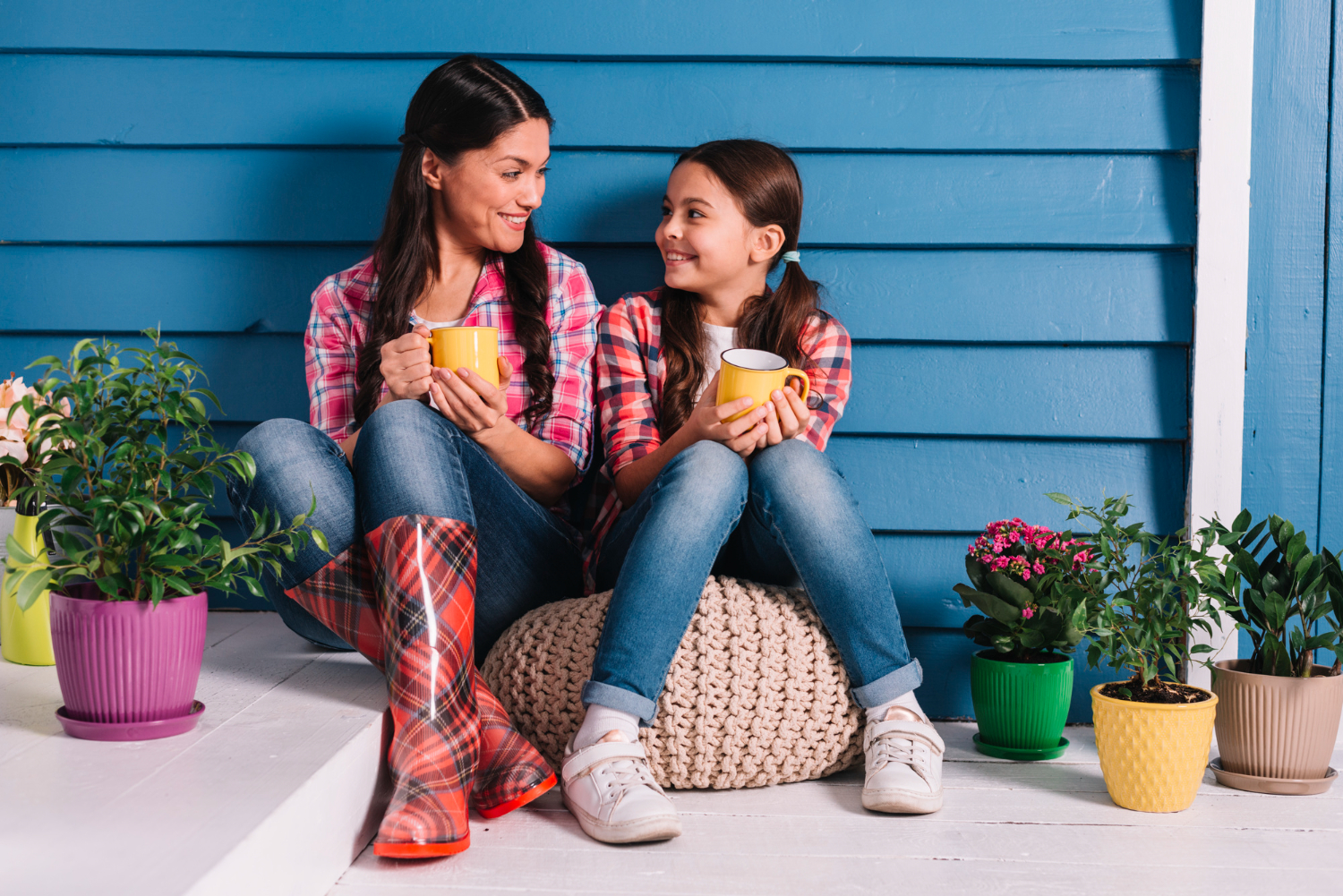
Children and teenagers face more pressure than adults sometimes realize. They may be dealing with academic stress, friendship problems, family changes, bullying, uncertainty, or the emotional weight of upsetting events around them. Resilience is the set of skills that helps young people adapt, recover, and keep moving forward during difficult times, and it can be strengthened over time through everyday support from adults.
Relationships Come First
One of the strongest foundations for resilience is connection. Children do better when they feel supported by family, teachers, and peers. Adults can help by encouraging empathy, listening, friendship, and a sense of belonging. A child who feels connected is more likely to ask for help, handle setbacks more calmly, and recover more effectively after stress.
Let Children Be Helpful, Not Just Helped
Young people often feel stronger when they are given meaningful ways to contribute. Helping with age-appropriate tasks at home, supporting classmates, or participating in volunteer efforts can give children a sense of purpose and capability. When children see that they can make a difference for someone else, they often feel less powerless in their own struggles.
Keep Some Structure in Daily Life
Routine can be deeply reassuring, especially during stressful or uncertain periods. Predictable rhythms around schoolwork, meals, rest, and play help children feel safer and more grounded. Flexibility still matters, but some consistency gives them a sense that life is manageable even when other things feel unsettled.
Teach Them to Pause and Reset
Children need permission to step back sometimes. Breaks, quiet time, and unstructured moments for creativity can help them regulate stress and think more clearly. Adults can also help them question catastrophic thinking by gently asking what is actually likely to happen, what can be controlled, and what advice they would give a friend with the same fear. It also helps to pay attention to how much troubling information a child is taking in through news, online content, or overheard conversations.
Make Self-Care a Real Habit
Basic self-care is not a small thing. Good sleep, regular movement, proper meals, and time for enjoyable activities all help children stay more emotionally balanced. Fun, rest, and healthy routines are not distractions from resilience-building. They are part of it. When children learn to care for themselves, they are often better equipped to cope with pressure.
Break Big Problems Into Smaller Goals
Resilience grows when children learn that progress does not always happen all at once. Setting realistic goals and taking one step at a time can make challenges feel less overwhelming. At school, that may mean dividing a large assignment into manageable parts. At home, it may mean helping a child focus on the next step instead of the entire problem. Small wins build confidence.
Remind Children of What They Have Already Survived
A child’s past successes matter, even the smaller ones. Adults can help children remember moments when they got through something hard, solved a problem, or adapted to change. Looking back on those experiences can strengthen self-trust. Over time, children begin to see themselves not just as people who struggle, but as people who can handle difficult things.
Keep Hope in the Picture
When children are in pain, adults should not dismiss it or pretend everything is easy. But they can help put the moment in perspective. A difficult season is not the whole story. Children often need help seeing beyond what is hurting right now and remembering that life can improve, goals can change, and new opportunities can emerge. Hope does not erase hardship, but it helps children keep going through it.
Teach That Change Is Part of Life
Many children and teens feel unsettled by change, even positive change. Growth often requires adjusting expectations, letting go of one plan, and forming another. Adults can help by showing that change is a normal part of life rather than a sign that everything is falling apart. When children learn to adapt instead of freeze, they become more prepared for future challenges.
The Role of Adults
Parents and teachers do not need to remove every hardship from a child’s life in order to help. Often the real goal is to provide steadiness, encouragement, and practical tools while the child learns to navigate difficulty. Resilience is built through support, practice, and repeated experiences of coping, adjusting, and continuing forward. Children may still feel sadness, fear, or stress, but with guidance, they can learn that those feelings do not have to define what happens next.